
From Trail Journals to Digital Storytelling: the evolution of Trekking Stories
Explore how digital storytelling has transformed the way trekking stories are recorded, shared, and experienced across traditional and modern formats.
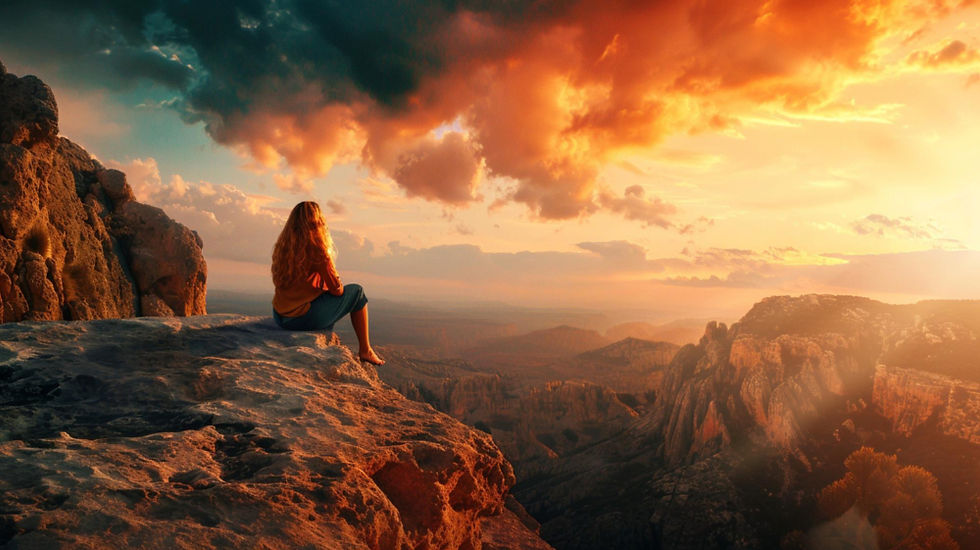
Trekking stories have developed from oral traditions and place-based knowledge into trail journals, published accounts, and digital formats. Across these forms, trekkers have recorded landscapes, encounters, challenges, and reflections shaped by culture, geography, and personal experience.
This article follows that progression and considers what each medium contributes: journals preserve detailed observation, blogs support extended public accounts, social media encourages rapid exchange, and photography and video add visual perspective. It also examines how digital storytelling influences trekking communities and may continue to change through emerging technologies.
What Trekking Stories are and why they Matter
Defining a Personal Trekking Story
A trekking story is a personal account of a journey through an outdoor landscape. It combines events, observations, emotions, challenges, and reflection to show not only what happened, but also how the trek was experienced and understood. Depending on the storyteller and medium, a trekking story may appear as an oral account, trail journal, blog post, social media update, photograph, or video.
Why Personal experience gives stories Meaning
Personal experience gives trekking stories their distinct perspective and emotional depth. Details such as uncertainty, fatigue, achievement, changing weather, or an unexpected encounter lets readers understand the journey beyond its route and destination. By combining factual observation with reflection, trekking stories can build empathy, preserve memory, and connect individual experiences with broader cultural and environmental themes.
Origins: Oral Traditions and early Exploration Accounts
Early Explorers and their Written Journals
Before modern digital media, explorers documented journeys through spoken accounts, journals, maps, and field observations. The journals of Lewis and Clark, for example, recorded routes, landscapes, encounters, and practical challenges during their expedition across North America. Such written accounts served as records of travel while also interpreting unfamiliar places through the authors’ perspectives. They established an influential model for later trekking stories by combining observation, experience, and reflection.
Indigenous Oral Traditions and Stories of the Land
Indigenous oral traditions are central to understanding how stories connect people with land, history, and community. Rather than treating a route as an empty landscape, these traditions may preserve place-based knowledge, cultural memory, responsibilities, and relationships developed across generations. Their forms and meanings differ among communities and should not be reduced to a single storytelling model. Within the broader history of trekking stories, they underscore the importance of respecting the people, knowledge, and histories associated with the places through which trekkers travel.
How Geography and Culture Shaped Early Trekking Stories
How Landscapes influenced Narrative Style
Geography shapes both the content and tone of trekking stories. Mountain routes may foreground endurance, exposure, and changing altitude, while forests, deserts, coastlines, and river valleys create different practical demands and sensory experiences. Terrain, climate, remoteness, and visibility influence what trekkers notice, which challenges become central, and how a journey is interpreted. The landscape therefore functions not only as a setting, but also as an active force within the story.
How Cultural Traditions shaped Storytelling
Cultural traditions influence who tells trekking stories, how experience is organized, and which relationships receive emphasis. Some storytelling practices foreground individual reflection, while others center shared knowledge, guides, companions, ancestors, or responsibilities to place. These differences affect narrative voice, structure, and the meanings attached to a journey. Recognizing this range of approaches helps trekking stories represent people and landscapes with greater context and respect.
From Trail Journals to Digital Storytelling
The shift from Spoken stories to Written accounts
The path from trail journals to digital storytelling began with a shift from spoken accounts to durable written records. Trail journals preserved route details, sketches, observations, and reflections that could be revisited long after a journey and shared beyond the original listeners. They served practical needs while retaining an individual interpretation of place.
How Travel Blogs expanded Trekking Narratives

Travel blogs expanded trekking narratives beyond private journals and traditional publishing. Writers could shape detailed accounts around routes or themes, combine practical observations with reflection, and update material over time.
On a digital version, searchable posts, links, comments, and recommendations made these stories easier for readers to discover and use, when considering similar journeys.
That expansion prepared the way for a broader shift in digital storytelling. As trekking narratives moved beyond long-form blogs, social media accelerated distribution and audience interaction, while photography and video added immediate visual perspective. Together, these formats transformed how journeys could be shared and experienced.
How Digital Storytelling transformed Trekking Stories
Social Media as an interactive Storytelling Platform
As digital storytelling developed, social media has made trekking stories quicker to create, easier to share, and more interactive. Platforms such as Instagram and TikTok let trekkers publish brief updates, respond to audiences, and exchange information through comments and online groups. This interaction can connect experienced and occasional trekkers, although platform conventions may favor concise, polished posts over sustained reflection.
How Photography and Video add Visual Perspective
Photography and video add visual perspective to digital trekking stories by contributing evidence, atmosphere, and a stronger sense of place. Images can document landscapes, weather, trail conditions, and significant details, while video can convey movement, sound, and changes in terrain. Used with clear context and thoughtful writing, these formats deepen a story without replacing the trekker’s interpretation of the journey.
Trekking Stories across the Decades
Classic Written accounts that shaped Trekking Culture
Across different periods, influential trekking stories have shaped how readers understand wilderness, travel, and personal discovery. John Muir’s accounts of the Sierra Nevada combined close observation of nature with reflective prose, while Bill Bryson’s writing about the Appalachian Trail used humor to examine the physical and cultural experience of long-distance walking. Although their styles differ, both demonstrate how trekking stories can turn individual journeys into lasting cultural reference points.
Modern Blogs and Influencer Storytelling

The contrast between classic written accounts and contemporary platforms is especially clear in the work of bloggers and influencers. Bloggers can develop sustained trekking stories, whereas influencers often work through shorter, image-led posts. Commercial partnerships may support production and reach, but they can also affect which destinations, products, and experiences receive emphasis. These examples show why readers must consider both the story and the conditions under which it was produced.
How do Digital trekking stories Shape Communities?
Building Connections through Shared Stories
Shared trekking stories connect people who may never travel together. Practical accounts help readers anticipate conditions, while reflective accounts show how different trekkers interpret similar challenges. In groups and online communities, these perspectives can become useful collective knowledge.
Influencing Trekking Culture and Practices
Digital trekking stories also shape community norms by influencing expectations about preparation, accessibility, cultural respect, and lower-impact practices.
Before sharing routes, locations, or recommendations, storytellers should consider the potential risks.
Risks to Consider
Environmental and visitor pressure: Increased attention can cause crowding, trail erosion, litter, wildlife disturbance, and damage to sensitive habitats.
Safety risks: Incomplete or outdated guidance may lead trekkers to underestimate weather, terrain, access restrictions, or required preparation.
Community and cultural impacts: Increased tourism can disrupt local life, strain infrastructure, or misrepresent customs and experiences.
Privacy and location exposure: Precise geotags may reveal private land, sacred places, restricted routes, or vulnerable communities.
Responsible Sharing Practices
Verify and date information: Check route conditions, access rules, seasonal changes, and source reliability.
Provide safety context: State hazards, difficulty, preparation needs, and the limits of your guidance.
Protect sensitive locations: Withhold precise geotags for sacred, private, fragile, restricted, or unsafe places.
Respect communities: Seek permission where appropriate and represent local people, customs, and knowledge accurately.
Promote low-impact behavior: Encourage the use of established trails, packing out all waste, protecting wildlife, and behaving responsibly.
These practices will remain essential as digital storytelling continues to evolve.
The Future of Digital Storytelling in Trekking
Emerging Technologies and Immersive Formats
Emerging digital tools may change how trekking journeys are recorded, organized, and understood. Virtual reality could recreate a journey, augmented reality could add historical or environmental context to a route, and artificial intelligence could organize journals, photographs, and field observations.
What comes next for Trekking Narratives
These tools may support more layered and participatory trekking narratives, combining written reflection, immersive media, and multiple voices. Their value will depend on whether they clarify experience and strengthen the storyteller’s firsthand perspective rather than distract from it.
Conclusion
From oral traditions and trail journals to modern digital storytelling, trekking stories have adapted to new ways of recording and sharing experience. Digital formats have broadened participation and expanded how journeys can be represented, while emerging tools may add further depth. Across every medium, lasting value comes from careful observation, personal reflection, cultural respect, and a responsible relationship with place.
FAQs about Digital Storytelling and Trekking Stories
What is digital storytelling in trekking?
Digital storytelling in trekking combines firsthand accounts with blogs, social posts, photography, audio, or video. These formats help communicate the route, atmosphere, choices, and meaning of a journey.
How does digital storytelling change the audience experience?
It lets audiences experience a trek through several layers. Writing provides context, photographs highlight details, audio and video convey movement and sound, and interactive platforms invite questions or shared perspectives.
What makes a digital story on trekking responsible?
A responsible digital story on trekking provides context, respects local communities and knowledge, avoids treating one experience as universal, and considers how sharing routes or locations may affect people and environments.
Which formats work best for a digital trekking story?
The best format depends on the story’s purpose. Blogs support reflection and practical detail, social posts suit timely updates, photography emphasizes visual evidence, and audio or video conveys movement, sound, and atmosphere.
How do trail journals differ from modern digital storytelling formats?
Trail journals usually preserve detailed, private, or chronological observations. Modern digital storytelling can combine text, images, audio, video, links, and audience interaction, enabling a story to reach wider audiences more quickly.


Comments