
Why is Cotton Bad for Hiking: Essential Tips on Dressing Right for the Trail
Learn how to stay dry, comfortable, and safe on your hikes by choosing the right clothing

Introduction: The Importance of Proper Hiking Attire
Hiking is one of the best ways to connect with nature, explore new trails, and enjoy the great outdoors. Whether you’re setting out for a short walk in the woods or tackling a challenging mountain hike, what you wear can make a big difference in your comfort and safety. Many people, especially beginners, reach for their favorite cotton t-shirt and jeans before heading out the door. After all, cotton is soft, breathable, and popular for everyday use. But when it comes to hiking, cotton can be one of the worst choices you could make.
In this article, let’s explore why cotton clothing is a poor option for hiking, examine the risks it presents, and offer practical tips for dressing wisely on the trail. Hoping this would help you make informed decisions about your hiking attire, so you can focus on enjoying your adventure - no matter the weather or terrain.
The need for moisture management and why Cotton is Bad for Hiking
Cotton is often praised for its comfort, but when you’re on a hike, comfort is about much more than how a fabric feels when you first put it on. Proper hiking attire needs to manage moisture, regulate temperature, and protect you from the elements. Unfortunately, cotton falls short in several key areas, and this is why cotton is bad for hiking.
1. Cotton soaks up Moisture and holds onto it
One of cotton’s biggest drawbacks is its tendency to absorb and retain moisture. When you sweat, cotton acts like a sponge, soaking up all that moisture and holding it against your skin. This is fine if you’re lounging at home, but on a hike, it can quickly become uncomfortable and even dangerous.
Unlike technical fabrics, cotton doesn’t wick moisture away or allow it to evaporate efficiently. Once it’s wet, it stays wet for a long time. This means your shirt, pants, or socks can become heavy, clingy, and cold, making your hike far less enjoyable.
2. Cotton is slow Drying fabric
If you get caught in an unexpected rain shower, or have to cross a stream, cotton clothing can take hours to dry. Even your own sweat can leave cotton feeling damp for the duration of your hike. In cooler conditions, this lingering wetness can lead to chills and discomfort.
3. Cotton offers poor Temperature Regulation
Wet cotton loses its ability to insulate, which is especially concerning in cooler temperatures. Instead of keeping you warm, it can make you feel colder. In hot weather, a wet cotton shirt can cause chafing and irritation, while in cold weather, it can put you at risk of hypothermia.
Risks associated with wearing Cotton Clothing while Hiking
Choosing cotton for your hiking attire isn’t just a matter of less comfort - it can also impact your health and safety. Here are some of the main risks you might face if you hit the trail in cotton clothing:
1. Hypothermia
Hypothermia isn’t just a risk in freezing conditions. It can happen at surprisingly mild temperatures, especially if you’re wet and exposed to wind. Because cotton stays wet and loses its insulating properties, it can cool your body rapidly if the temperature drops or the wind picks up. Even in the summer, a sudden rainstorm or chilly mountain breeze can turn a wet cotton shirt into a hazard.
2. Chafing and Skin Irritation
Cotton’s rough texture when wet, combined with its tendency to cling to the skin, can lead to chafing and irritation. This is especially common in areas where fabric rubs against the skin, such as underarms, thighs, or feet. Chafing can turn a fun hike into an uncomfortable slog and, if left untreated, may even cause blisters or open sores.
3. General Discomfort
Wearing damp, heavy clothes is never pleasant, and it can sap your energy on the trail. You might find yourself distracted by your sticky shirt or soggy socks instead of enjoying the scenery. Over time, this discomfort can impact your stamina, mood, and overall hiking experience.
Better alternatives to Cotton Apparel for Hiking
Luckily, there are plenty of fabrics designed to keep you comfortable, dry, and safe while hiking. Here are two of the best options:
1. Synthetic Fabrics (Polyester, Nylon, and Blends)
Synthetic materials like polyester, nylon, and their blends are specifically engineered for active use. These fabrics excel at wicking moisture away from the skin and allowing it to evaporate quickly. They also dry much faster than cotton, so you can stay comfortable even if you work up a sweat or get caught in a drizzle.
Many synthetic hiking clothes are lightweight, durable, and designed with features like ventilation panels or odor control. They’re a go-to choice for hikers because they strike the right balance between performance and comfort.
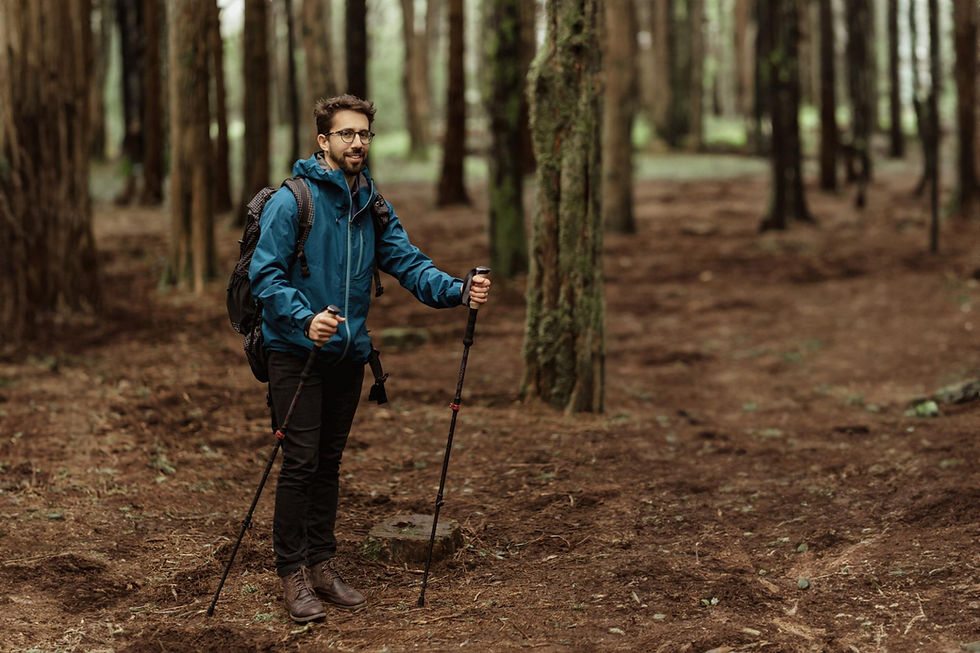
2. Wool (Especially Merino Wool)
Wool, particularly merino wool, is another excellent fabric for hiking. It’s naturally moisture-wicking, helps regulate body temperature, and keeps insulating even when wet. Merino wool is much softer than traditional wool, so it won’t feel scratchy against your skin. It’s also naturally odor-resistant, which is a bonus on multi-day hikes.
While wool can be pricier than some synthetic options, its performance and comfort make it a favorite among experienced hikers.
Essential Tips for Dressing for Hiking
Now that you know why cotton isn’t the best choice, let’s talk about how to dress smartly for your next adventure. Here are some key tips to keep in mind:
1. Embrace a Layering Strategy for Hiking
A layering strategy is the secret to staying comfortable in changing conditions during your hike. A good layering system includes:
Base Layer: Wicks sweat away from your skin. Choose synthetic or merino wool options instead of cotton.
Insulating Layer: Traps body heat. Fleece, synthetic puffy jackets, or merino wool sweaters work well.
Outer Layer: Shields you from wind, rain, or snow. Look for waterproof and breathable jackets made from technical fabrics.
2. Choose Moisture-Wicking clothing
Always opt for shirts, innerwear, and socks made from moisture-wicking materials. These fabrics will pull sweat away from your body and help it evaporate, keeping you dry and comfortable throughout your hike.
3. Be ready for the Weather
Check the forecast before you head out and plan your clothing accordingly. On hot days, wear lightweight, breathable fabrics with UV protection. In cooler or unpredictable weather, pack an extra layer or rain jacket just in case. Avoid the temptation to wear cotton, even if the weather looks clear - conditions can change rapidly outdoors.
Practical advice for choosing and Packing your Hiking clothing
Smart packing can make or break your hiking experience. Here’s how to build a hiking wardrobe that will keep you comfortable and safe:
1. Socks
Never underestimate the importance of good hiking socks. Cotton socks are a recipe for blisters because they trap moisture next to your skin. Instead, choose socks made from merino wool or synthetic fibers. These materials cushion your feet, wick away sweat, and reduce the risk of blisters - so you can keep moving mile after mile.
2. Shirts and Tops
Leave cotton t-shirts at home and invest in a couple of moisture-wicking tops. Many hiking shirts come with added features like built-in sun protection, ventilation panels, or anti-odor treatment. Lightweight long-sleeve shirts are great for protecting your skin from the sun and bugs.
3. Pants and Shorts
Look for hiking pants or shorts made from quick-drying, stretchy fabrics. Many options offer water resistance, UPF protection, and reinforced areas for durability. If you prefer shorts, make sure the waistband is comfortable and doesn’t chafe during long hikes.
4. Outerwear
A good rain jacket or windbreaker can be a lifesaver when the weather turns. Choose outerwear that is both waterproof and breathable to keep you dry without overheating. Lightweight, packable jackets are easy to stuff in your backpack, so you’re always prepared.
5. Accessories
Don’t forget about hats, gloves, and neck gaiters. These can make a big difference in your comfort, especially in extreme weather. Again, choose materials that dry quickly and wick moisture away from your skin.
Conclusion: Dress Smart, Hike Happy
When it comes to hiking, the clothes you choose are about more than style - they’re about safety, comfort, and getting the most enjoyment out of your adventure. While cotton is cozy on the couch, it’s a poor choice for the trail. Its tendency to soak up moisture, dry slowly, and lose insulation can put you at risk for everything from chafing to hypothermia.
Instead, build your hiking wardrobe around synthetic fabrics and merino wool, which manage moisture, regulate temperature, and dry quickly. Remember to layer up, check the weather, and always pack for unexpected conditions. With the right clothing choices, you’ll be ready to tackle any trail - and have a much better time doing it.
So next time you’re gearing up for a hike, leave the cotton behind and choose attire that works as hard as you do. Your body (and your hiking buddies) will thank you!


Comments